A bridge loan for a fix-and-flip is short-term private financing that covers the purchase of a property, and often part or all of the renovation, until you sell it. Instead of qualifying mainly on your personal income, the loan is underwritten largely on the property, the rehab plan and your exit. You buy, renovate, sell, and pay the loan off from the sale.
That is the short answer. Below, we walk through how the pieces fit together, what lenders look at, and where investors most often get tripped up.
What is a bridge loan, in plain terms?
A bridge loan "bridges" a gap in time. For a flipper, the gap is between buying a distressed property and selling it after the work is done. A conventional mortgage usually is not built for that window: the property may not qualify in its current condition, the timeline is short, and closing speed often decides whether you get the deal at all.
Private-capital bridge loans are designed for that situation. They are typically:
- Short-term: usually measured in months, not years, and sized to the project timeline.
- Asset-based: the property and the plan carry a lot of the weight in the decision.
- Interest-focused: many are structured with interest-only payments during the term, with the balance paid off at sale.
How a bridge loan for fix and flip deals is structured
Most fix-and-flip bridge loans have two parts.
1. The purchase portion. This is funded at closing and covers some share of the purchase price. You bring the rest as your down payment, along with closing costs.
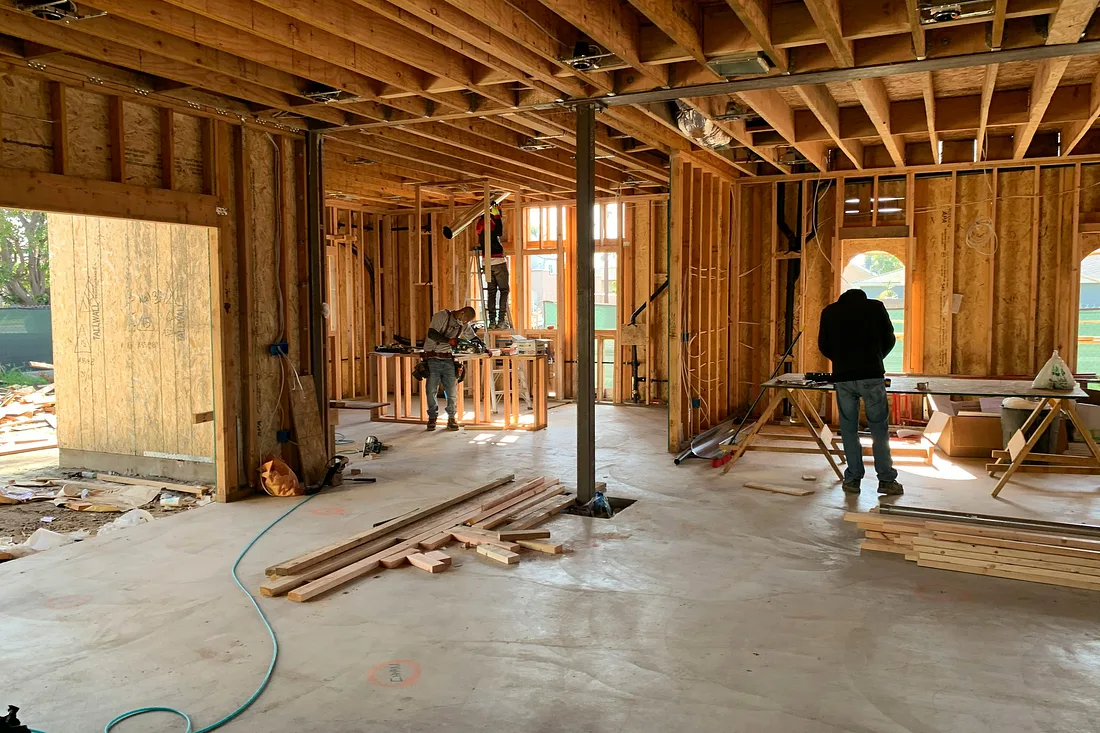
2. The rehab portion. Renovation money is usually not handed over at closing. It is held back and released in stages, called draws, as the work gets done. More on that below.
Lenders size the loan using a few common measures. It helps to know the terms before you talk to anyone:
- Loan-to-cost (LTC): the loan amount compared with your total project cost (purchase plus rehab).
- After-repair value (ARV): what the property should be worth once the renovation is finished, usually supported by an appraisal or a broker opinion of value.
- Loan-to-ARV: the loan amount compared with that after-repair value. This acts as a ceiling, so the loan stays sensible even if the purchase looks like a bargain.
The actual percentages vary by lender, property, market and your experience, so we don't quote them here. Ask for them in writing for your specific deal.
What lenders look at before they say yes
Because the loan leans on the deal, the review focuses on whether the project makes sense and whether you can carry it to the finish line.
- The numbers on the deal. Purchase price, a realistic rehab budget and a supportable ARV. If the spread between total cost and ARV is thin, expect more questions.
- The scope of work. A line-item rehab budget and timeline. "Kitchen, $X" is weaker than a breakdown of cabinets, counters, appliances, labor and permits.
- Your experience. Prior flips, rehab projects or a strong contractor team can affect how a lender views the deal. Newer investors can still get funded, though terms may differ.
- Your cash and reserves. You need enough for the down payment, closing costs, interest payments during the project, and a cushion for surprises.
- The exit. How and when you expect to sell, and what happens if the market slows.
How rehab draws work
Draws are where many first-time flippers get surprised, so plan for them early.
Typically, you (or your contractor) complete a phase of work, request a draw, and the lender sends an inspector to confirm the work is done. Once it is approved, funds are released for that completed phase. Then you move to the next phase.
Two things follow from that:
- You often front the cost of each phase. Draws usually reimburse completed work, so you or your contractor need cash to start each stage.
- Draw timing affects your schedule. Inspection and release take time. Build that into your contractor's payment terms so work doesn't stall.
A clear draw schedule, agreed before closing, keeps everyone on the same page.
Planning the exit before you buy
The exit is how the loan gets repaid, so it deserves as much attention as the purchase price.
- Sell (the classic flip). You list after the rehab, close the sale, and the loan is paid off from proceeds.
- Refinance and hold. If the numbers or the market shift, some investors refinance into a longer-term rental loan, such as a DSCR loan, and keep the property. It is worth knowing whether that is a realistic backup before you close.
Ask yourself what happens if the rehab runs long or the sale takes longer than planned. Know whether the loan can be extended, what that typically costs, and how much interest you would carry in the meantime.
Common mistakes to avoid
- Underestimating the rehab. Add a contingency line. Older homes tend to hide surprises behind the walls.
- Ignoring carrying costs. Interest, insurance, taxes and utilities add up every month the project runs.
- No cash for the first draw. Make sure you can fund the opening phase before reimbursement arrives.
- An optimistic ARV. Base it on recent, comparable sales, not the best sale on the street.
The loan supports the plan. It doesn't replace one.
Frequently asked questions
How fast can a fix-and-flip bridge loan close?
Private bridge loans can often close faster than conventional financing, but timing depends on the appraisal, title, insurance and how complete your file is. A ready scope of work and documents help most. We don't promise a specific timeline.
Can a first-time flipper get a bridge loan?
Often, yes. A solid deal, a detailed rehab plan, adequate reserves and an experienced contractor can make up for limited track record, though terms may differ from those for seasoned investors.
Do I need perfect credit?
No. Credit is reviewed, but private bridge lending focuses mainly on the property, the rehab plan and your exit. Minimum scores and terms vary by lender and program, and a stronger score can improve your pricing and leverage.
Is the rehab money given at closing?
Usually not. Rehab funds are typically held back and released in draws after an inspection confirms each phase is complete.
What if my flip doesn't sell in time?
Talk to your lender early. Options may include an extension or a refinance into a longer-term rental loan, depending on the deal. For tax questions about selling versus holding, talk to your CPA.
Educational content only, not an offer to lend or tax, legal or investment advice. All loans are subject to underwriting and approval.
Submit one short intake form and we will review financing options for your property, project, and strategy.