
What Happens If an Investment Property Appraisal Comes in Low?
Few things are more frustrating to an investor than receiving an appraisal that's lower than expected.
Perhaps you negotiated a $400,000 purchase price and expected the property to appraise at $450,000.
Instead, the appraisal comes in at $390,000.
What happens next?
The answer depends on the transaction, but a low appraisal can affect the loan amount, LTV, cash required to close, refinance proceeds, and overall investment economics.
Why Does the Appraisal Matter?
Lenders generally use an appraisal or other approved valuation method to determine the property's market value.
That value can be an important component of calculating the maximum loan amount.
For example, suppose:
Purchase price = $400,000
Appraised value = $380,000
If the program allows 75% LTV based on the lower applicable value, the loan amount could be constrained by the $380,000 valuation rather than the investor's expected $400,000 or higher value.
What Can Cause a Low Appraisal?
There are many reasons an appraisal can come in below expectations.
Comparable Sales
The appraiser relies heavily on comparable properties.
If recent comparable sales don't support the investor's expected value, the appraisal may be lower.
Property Condition
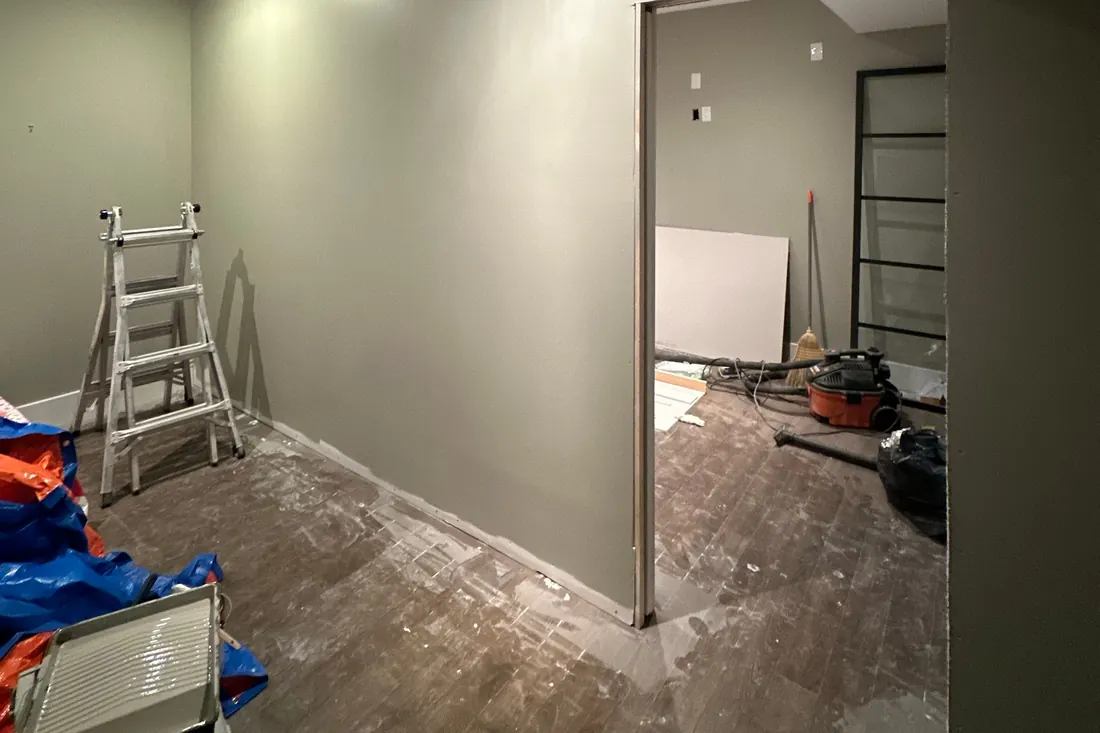
Deferred maintenance or unfinished work can affect value.
Location
Two properties with similar square footage can have very different values because of location.
Market Conditions
Changes in supply, demand, interest rates, and buyer activity can influence comparable sales.
Investor Expectations
Investors sometimes calculate value based on what they believe the property could be worth rather than what the available market evidence supports.
What Happens to the Loan?
A lower appraisal can reduce the maximum loan amount.
That could mean the investor needs to contribute additional cash.
For example:
Expected loan: $300,000
Actual maximum based on appraisal: $285,000
The investor may need to provide an additional $15,000, depending on the transaction structure.
This is why conservative underwriting is so important.
What About Fix & Flip Projects?
Appraisal and valuation can be particularly important for renovation projects.
Fix & Flip financing may consider the property's After Repair Value (ARV) along with purchase price, renovation costs, and other factors.
Belsky Mortgage's Fix & Flip program information specifically notes that loan parameters can depend on purchase price, rehab budget, ARV, LTV/LTC and the borrower's experience.
That means investors shouldn't assume a projected ARV automatically becomes the final value used for financing.
What About a Refinance?
A low valuation can also affect refinancing.
Suppose an investor purchased a property, completed renovations, and expected a $500,000 value.
The appraisal comes back at $450,000.
If the investor planned to refinance based on the higher value, the lower appraisal may reduce the available proceeds.
This is particularly important when the investor needs the refinance to recover capital for another project.
What Can an Investor Do?
If an appraisal is lower than expected, possible steps may include:
- Review the appraisal for factual errors.
- Provide relevant comparable sales if permitted.
- Reassess the loan amount.
- Contribute additional capital if necessary.
- Explore another financing structure.
- Reevaluate the investment economics.
The appropriate response depends on the specific transaction and lender.
How Can Investors Reduce the Risk?
The best time to deal with a valuation problem is before making the investment.
Use conservative assumptions.
Don't build your entire investment thesis around the highest possible valuation.
Instead, ask:
"Does this deal still work if the property is worth 5% or 10% less than my projection?"
If the answer is no, the deal may be too dependent on optimistic assumptions.
Frequently Asked Questions
What happens if an investment property appraisal is lower than the purchase price?
Depending on the loan program, the lower value may limit the maximum loan amount and require the investor to bring additional cash.
Can you challenge a low appraisal?
Depending on the lender and circumstances, an investor may be able to provide additional comparable sales or identify factual errors for review.
Can a low appraisal affect a refinance?
Yes. A lower value can reduce the maximum refinance amount when the loan is constrained by LTV.
Does a low appraisal automatically kill the deal?
No. Investors may have options, including adjusting the loan amount, bringing additional capital, renegotiating the transaction, or exploring another financing structure.
Final Thoughts
A conservative valuation isn't necessarily bad news.
It can actually provide valuable information before an investor commits additional capital.
The key is to understand how the valuation affects the entire capital structure.
If you're purchasing, renovating, refinancing, or developing an investment property, understanding the relationship between property value and financing can help you make better decisions.
Explore Belsky Mortgage Fix & Flip Financing
Have a property you're trying to finance? Start with the Belsky Mortgage Quick App.
Submit one short intake form and we will review financing options for your property, project, and strategy.