Commercial real estate takes many forms, and so does the financing behind it. Belsky Mortgage arranges bridge loans and permanent loans for commercial property purchases and refinances, matching each deal with the right type of lender, from private capital to agency and institutional lenders. Through our capital partners we also arrange Agency Multifamily (Fannie Mae and Freddie Mac), SBA, and HUD commercial loans.
What Is Commercial Real Estate Financing?
Commercial real estate financing covers loans on properties used for business or income purposes, such as apartment buildings, retail centers, offices, warehouses, and hotels. Unlike residential loans, commercial loans are structured around the specific property, the borrower’s business plan, and the deal itself, so terms vary widely by property type and by lender.
Because every deal is different, we start by understanding your goal and then source the financing that fits it. Most commercial requests fall into two categories: bridge loans and permanent loans.
Bridge Loans vs. Permanent Loans
Commercial Bridge Loans
A bridge loan is short-term financing that gets a borrower from one point to the next, whether the plan is to sell or to refinance into a permanent loan. Common uses include:
Acquisitions, including time-sensitive purchases
Lease-up to stabilization
Value-add and renovation projects
Bridging to permanent financing
SOS (rescue) financing: a fast, high-cost, low-documentation loan to help a borrower facing foreclosure or bankruptcy
For bridge loans, we work with private money lenders, hedge funds, family offices, REITs, and investor pools.
Commercial Permanent Loans
A permanent loan is long-term financing, typically for a stabilized property with established income. For permanent loans, we work with agency commercial, institutional, and private lenders.
Common permanent loan products include:
Small Business Administration (SBA) loans
HUD 223(f) loans
Fannie Mae commercial programs
Freddie Mac commercial programs
Institutional bank loans
Belsky Mortgage has direct access to these capital sources. We are not a correspondent and do not use broker chains.
Commercial Loans at a Glance
Bridge vs. permanent commercial loans
Feature
Bridge loans
Permanent loans
Purpose
Gets a borrower from one point to the next: acquisition, lease-up, value-add, or a bridge to a sale or permanent loan
Long-term financing for a stabilized property
Lender sources
Private money lenders, hedge funds, family offices, REITs, and investor pools
Agency commercial, institutional, and private lenders
Leverage
Up to 85% loan-to-cost (LTC)
Up to 80% loan-to-value (LTV) (SBA up to 90% LTV)
Recourse
Recourse, limited-recourse, and non-recourse options are possible on all programs, depending on the scenario
Typical timeline
About 2–10 weeks
About 6 weeks–10 months
Terms are indicative of what may be offered and are not guaranteed. Leverage, pricing, and timelines vary by property type, loan size, location, borrower, and lender.
How Commercial Loans Are Qualified
Commercial lending works differently from residential rental loans. A commercial loan is not a “DSCR loan.” Debt service coverage ratio (DSCR) is one factor in qualifying, not the primary method, and it is calculated from net operating income (NOI) rather than gross rents. EBITDA-based cash flow is also becoming more common for operating businesses.
Lenders typically review:
The property’s income and value, including NOI and DSCR
The property type, condition, and location
Borrower experience and financial strength
The business plan and exit strategy
The loan structure, including recourse, limited-recourse, or non-recourse options
Looking for a 1–8 unit rental property loan qualified mainly on rental income? See our DSCR loans.
Types of Commercial Properties We Finance
Apartment buildings and complexes
Mixed-use buildings
Warehouses
Office buildings
Retail
Restaurants and bars
Hospitality
Self-storage
Automotive
Medical buildings and care facilities
Raw land
Developed land
Houses of worship
This is not a complete list. If your property type is not listed, contact us and we will review your scenario.
Purchase and Refinance Options
Purchase loans help investors acquire commercial property, whether through a bridge loan on a property that needs work or lease-up, or permanent financing on a stabilized asset.
Refinance loans replace existing debt with new financing, such as moving from a bridge loan into permanent financing once a property is stabilized, or refinancing a property you already own.
Additions to the Capital Stack
Many of our capital sources allow non-owner additions to the capital stack, which can reduce the cash a borrower needs to bring to closing or help a deal pencil. Common examples include:
C-PACE financing, grants, and tax programs
Preferred equity and joint venture partnerships
Seller financing
Local government and utility credits
Availability depends on the property, location, and lender. Reach out to us or call or text (817) 505-5812 to discuss how these options could work for your deal.
Recent Closed Commercial Deals
Here are two recent commercial transactions, one bridge loan and one permanent loan. Property addresses are withheld for client privacy.
Deal 1
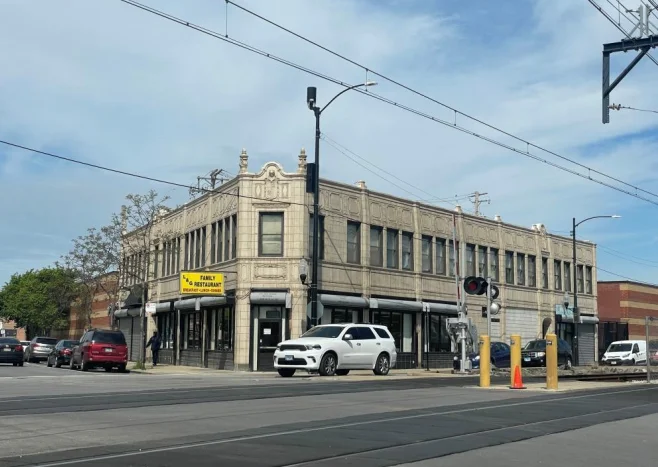
10-unit mixed-use building · Chicago, IL
Purchase · interest-only bridge loan
Transaction
Purchase
Appraised value
$835,000
Loan amount
$360,000
Loan-to-value (LTV)
43%
Loan type
Bridge, interest only
Term & rate
2 years at 12.99%
Time to close
Closed in 50 days from application
Loan amountRemaining to appraised value
Deal 2
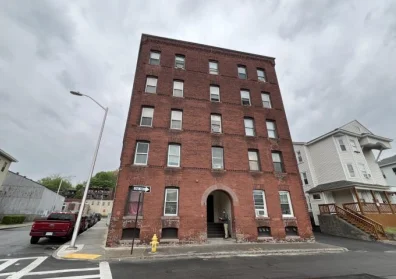
10-unit multifamily building · Worcester, MA
Permanent loan
Appraised value
$2,350,000
Loan amount
$1,541,000
Loan-to-value (LTV)
66%
Loan type
Permanent
Term & rate
5 years at 6.73%
Time to close
Closed in 62 days from application
Loan amountRemaining to appraised value
Examples of past transactions only. Terms vary by lender, property, and borrower, and past results do not guarantee future terms.
Commercial Loan FAQs
What types of commercial properties do you finance?
We finance a wide range of commercial collateral, including apartment buildings and complexes, mixed-use buildings, warehouses, office buildings, retail, restaurants and bars, hospitality, self-storage, automotive, medical buildings and care facilities, raw land, developed land, and houses of worship. This is not a complete list, so if your property type is not listed, ask us.
What is the difference between a bridge loan and a permanent loan?
A bridge loan is short-term financing that carries a borrower from one point to the next, such as acquiring a property, completing renovations, or leasing it up to stabilization, before selling or refinancing into long-term debt. A permanent loan is long-term financing, typically for a stabilized property. Bridge loans come from private money lenders, hedge funds, family offices, REITs, and investor pools. Permanent loans come from agency commercial, institutional, and private lenders.
Do commercial loans use DSCR?
Debt service coverage ratio (DSCR) is a factor in commercial underwriting, but it is not the primary way commercial loans are qualified, and a commercial loan is not a “DSCR loan.” Commercial DSCR is calculated from net operating income (NOI), not gross rents, and EBITDA-based cash flow is becoming more common. Lenders also weigh the property, the borrower, and the business plan. For 1–8 unit rentals qualified mainly on rental income, see our DSCR loans.
How long does it take to close a commercial loan?
Commercial bridge loans can take about 2 to 10 weeks to close, and permanent loans about 6 weeks to 10 months, depending on the property type, loan size, borrower, and lender requirements. We give you a realistic timeline for your deal up front.
What leverage and recourse options are available?
Bridge loans can reach up to 85% loan-to-cost (LTC), permanent loans up to 80% loan-to-value (LTV), and SBA loans up to 90% LTV, depending on the scenario. Recourse, limited-recourse, and non-recourse options are possible on all programs, depending on the scenario.
The information we need depends on the loan type and the property type. To get started, it helps to have:
Purchase transactions
Property address and property type
Purchase price
Loan amount requested and purpose of the loan
Business plan, renovation or lease-up plans, and exit strategy
How title will be held (individual, entity, or trust) and borrower experience
Subject property financial documents, including pro forma, trailing 12 months of operating expenses, current rent rolls, construction budget, and any other documentation applicable to the transaction or property type
Borrower Personal Financial Statement (PFS), Schedule of Real Estate Owned (SREO), and experience track record, if applicable
Refinance transactions
Property address and property type
Date and price of original acquisition
Current debt owed and current loan terms
Estimated current value and any improvements made
Reason for the refinance and exit strategy
Subject property financial documents, including pro forma, trailing 12 months of operating expenses, current rent rolls, construction budget, and any other documentation applicable to the transaction or property type
Borrower Personal Financial Statement (PFS), Schedule of Real Estate Owned (SREO), and experience track record, if applicable
After we review your scenario, we provide a checklist for your specific deal.
This website uses cookies.We use cookies to analyze website traffic and optimize your website experience. You can accept or decline analytics and advertising cookies. See our Privacy Policy.