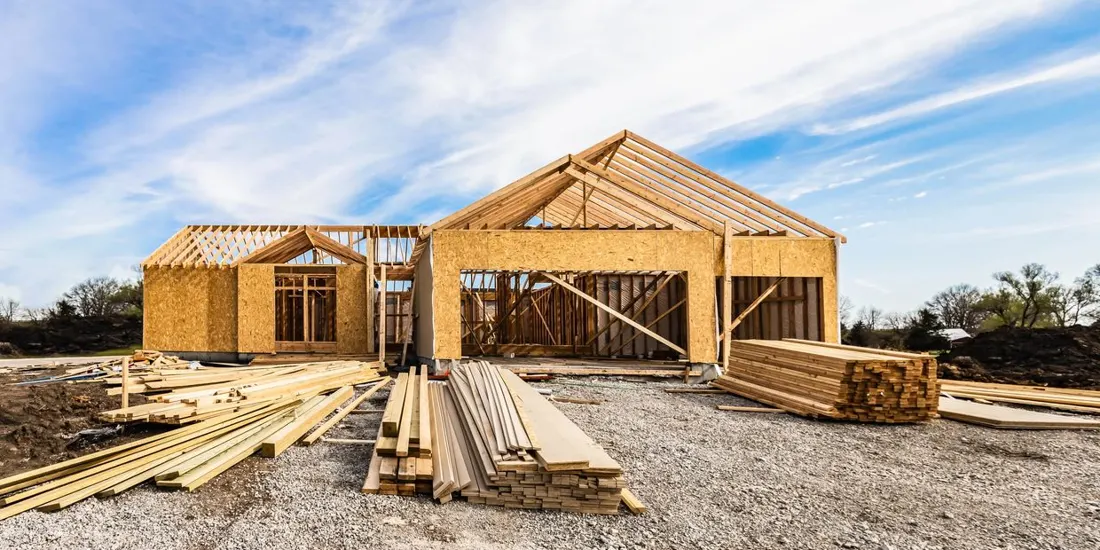
Construction loans play a crucial role for investors seeking to finance the development of residential or mixed-use properties from the ground up. These property development loans are often used for speculative builds, rental developments, or long-term investment projects. They can be structured for both construction and permanent financing, offering flexible solutions for a range of real estate ventures.
What Is a New Construction Loan?
A new construction loan is a short-term or hybrid financing option that funds the cost of building a property, including land acquisition (if applicable) and construction expenses. Existing land that is already owned may also be refinanced into a construction loan to help offset closing costs. Unlike traditional purchase loans, new construction loans, like many fix and flip loans, are typically funded in stages as the project progresses. This is commonly referred to as a draw process.
How New Construction Loans Work
New construction loans are typically disbursed through a series of draws based on completed construction milestones. Funds are released as work is completed and inspected, which helps manage risk and ensures the project stays on schedule. Depending on the loan structure, investors may make interest-only payments during construction, followed by a refinance or automatic conversion into permanent financing after completion.
New Construction Loans for Purchase and Refinance
Purchase / Build Financing
Investors can utilize new construction loans to finance ground-up builds, which encompass land purchase, site preparation, and construction costs. These loans are particularly useful for those looking to invest in real estate developments.
Refinance / Take-Out Financing
After the construction is complete, investors may opt to refinance into long-term financing options such as DSCR loans. This approach helps stabilize payments, enhance cash flow, or prepare the property for rental or sale, making it a strategic choice for investors who plan to hold the property as a rental.
Common Features of New Construction Loans
Financing for ground-up construction is available through various options. These loans feature a draw-based funding structure and often include interest-only payments during the construction phase, depending on the program. Short-term options are also available, along with flexible exit strategies such as selling, refinancing, or holding the property. This financing is specifically designed for investment properties, not primary residences.
Who Uses New Construction Loans?
New construction loans are commonly utilized by real estate investors building rental properties, developers constructing single-family or small multifamily projects, investors planning to refinance after stabilization, and borrowers seeking flexible underwriting for investment builds.
What Is Considered for Approval?
While requirements vary by program, lenders typically review:
Construction plans and project scope
Budget and cost breakdown
Borrower experience or project support
Credit profile and reserves to assess financial stability
Exit strategy after construction completion, ensuring a clear plan for loan repayment
New Construction Loan Terms at a Glance
New construction loans at a glance
Feature
Typical range
Loan term
9 to 24 months (commonly 9, 12, 18, or 24)
Interest rates
About 8.79% (extensive experience) to 13.99% (little or no experience); varies greatly with experience
Leverage
65–90% loan-to-cost (LTC)
Maximum loan-to-ARV (LTARV)
70–75%
Funding
Released in draws as construction milestones are completed and inspected
Payments during construction
Interest-only options, depending on the program
Loan structure
Often short-term to fund the build phase, then refinance or sell
Borrower experience
Verifiable experience improves leverage; most lenders count only projects where the borrower was on title
Closing time
2–3 weeks for residential builds; 3–6 weeks for commercial developments
Property types
Single-family, multifamily, mixed-use, small and large residential developments, and commercial developments
Terms are indicative of what may be offered and are not guaranteed. Actual leverage and terms depend heavily on the scenario’s ratios, the borrower’s verifiable experience, and each lender’s guidelines.
Recent Closed New Construction Deals
Here are a few recent new construction loans we closed for investors. Borrower names and property addresses are withheld for privacy.
Deal 1
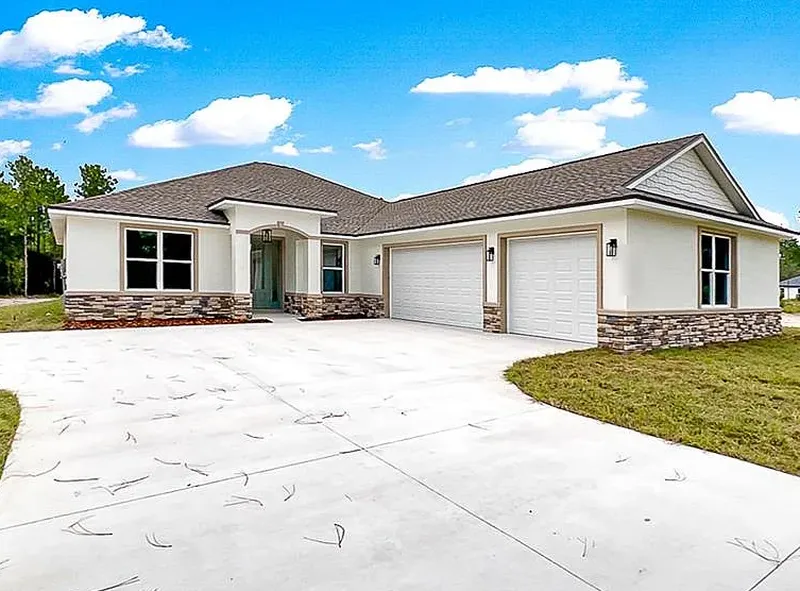
Single-family home · Dunnellon, FL
Land refinance + construction funds
As-is land value
$68,000
Construction budget
$330,000
After-repair value (ARV)
$535,000
Loan amount
$358,200
Leverage
90% LTC
Term & rate
9 months at 8.85% fixed
Time to close
Closed in 14 days from application
Exit strategy
Sell
As-is land valueConstruction budgetRemaining to ARV
Deal 2
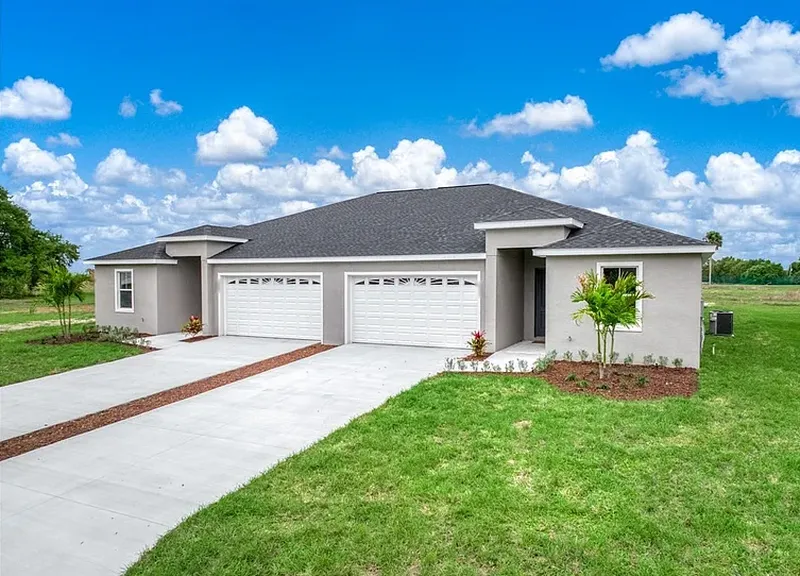
Duplex · Lake Placid, FL
Mid-construction cash-out refinance
As-is value
$310,000
Remaining construction budget
$170,000
After-repair value (ARV)
$630,000
Loan amount
$385,324
Leverage
85% LTC
Term & rate
12 months at 10.99% fixed
Time to close
Closed in 10 days from application
Result
Property sold
As-is valueRemaining construction budgetRemaining to ARV
Deal 3
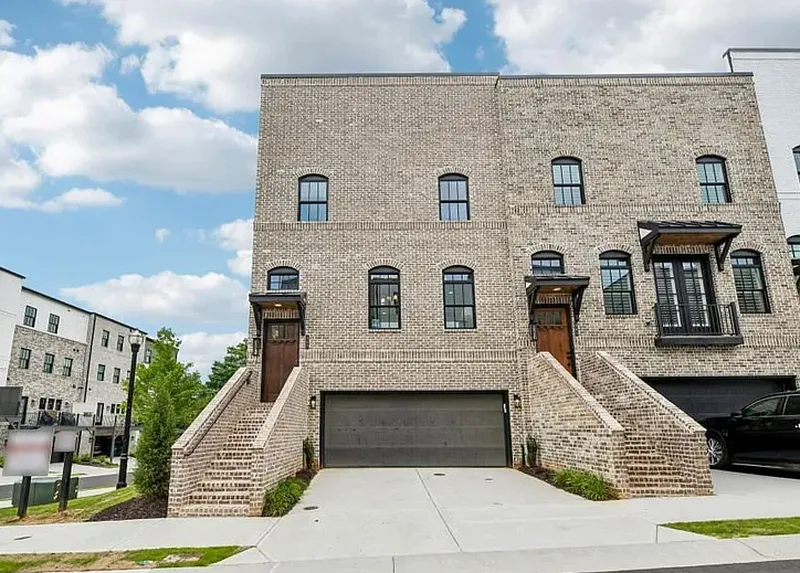
Duplex · Lilburn, GA
Land refinance + construction funds
As-is land value
$360,000
Construction budget
$820,000
After-repair value (ARV)
$1,450,000
Loan amount
$1,015,000
Leverage
90% LTC
Term & rate
19 months at 11.05% fixed
Time to close
Closed in 21 days from application
Exit strategy
Sell
As-is land valueConstruction budgetRemaining to ARV
Examples of past transactions only. These deals were refinances of land the borrower already owned, so leverage reflects how each lender calculates loan-to-cost (LTC) in that scenario. Terms vary by lender, property, and borrower, and past results do not guarantee future terms.
New Construction Loan FAQs
Can I purchase land and build using a new construction loan?
Some new construction loan programs allow financing for both land acquisition and construction, while others require the land to be owned separately. This depends on the specific loan structure and lender requirements.
Do new construction loans require a down payment?
Down payment requirements vary by lender and loan program. In most cases, investors are expected to contribute some capital toward the project in addition to loan proceeds. Typical leverage is 65–90% loan-to-cost (LTC) with 70–75% loan-to-ARV (LTARV). Actual leverage depends heavily on the scenario’s ratios and on verifiable borrower experience.
Do I need prior construction experience to qualify?
Most lenders prefer borrowers with prior construction or development experience, while others may allow first-time builders if the project is supported by a qualified builder or team. Nearly all lenders count only projects where the borrower was on title. Experience as only a general contractor typically does not count as qualified experience.
Are new construction loans short-term or long-term?
Many new construction loans are short-term and designed to fund the build phase only. After construction is complete, investors often refinance into permanent financing or sell the property as part of their exit strategy.
Can I refinance a property after construction is complete?
Yes. Many investors refinance completed construction projects into long-term financing once the property is stabilized or rented.
This website uses cookies.We use cookies to analyze website traffic and optimize your website experience. You can accept or decline analytics and advertising cookies. See our Privacy Policy.